
In scientific research and diagnostics, accuracy and sensitivity are crucial for detecting and quantifying biological molecules. One key tool that ensures such precision is the use of purified polyclonal antibodies.
These antibodies are widely employed for the analysis of complex proteins, enzymes, and other biomolecules, including Component X, a vital element in several biological and clinical pathways. This article explores how purified polyclonal antibodies enhance the reliability, sensitivity, and reproducibility of Component X analysis.
Understanding Polyclonal Antibodies
Polyclonal antibodies are a mixture of immunoglobulin molecules that recognize multiple epitopes on a single antigen. They are produced by different B cell clones in an immunized animal, such as a rabbit, goat, or sheep.
Unlike monoclonal antibodies, which are derived from a single clone and recognize one specific epitope, polyclonal antibodies provide broader reactivity and stronger binding due to their multi-epitope recognition.
However, raw antiserum collected after immunization contains not only specific antibodies but also other proteins and non-specific immunoglobulins. To ensure high specificity and consistency, the antibodies are purified—usually through affinity chromatography or protein A/G purification—resulting in a cleaner, more reliable reagent for analytical use.
What Is Component X?
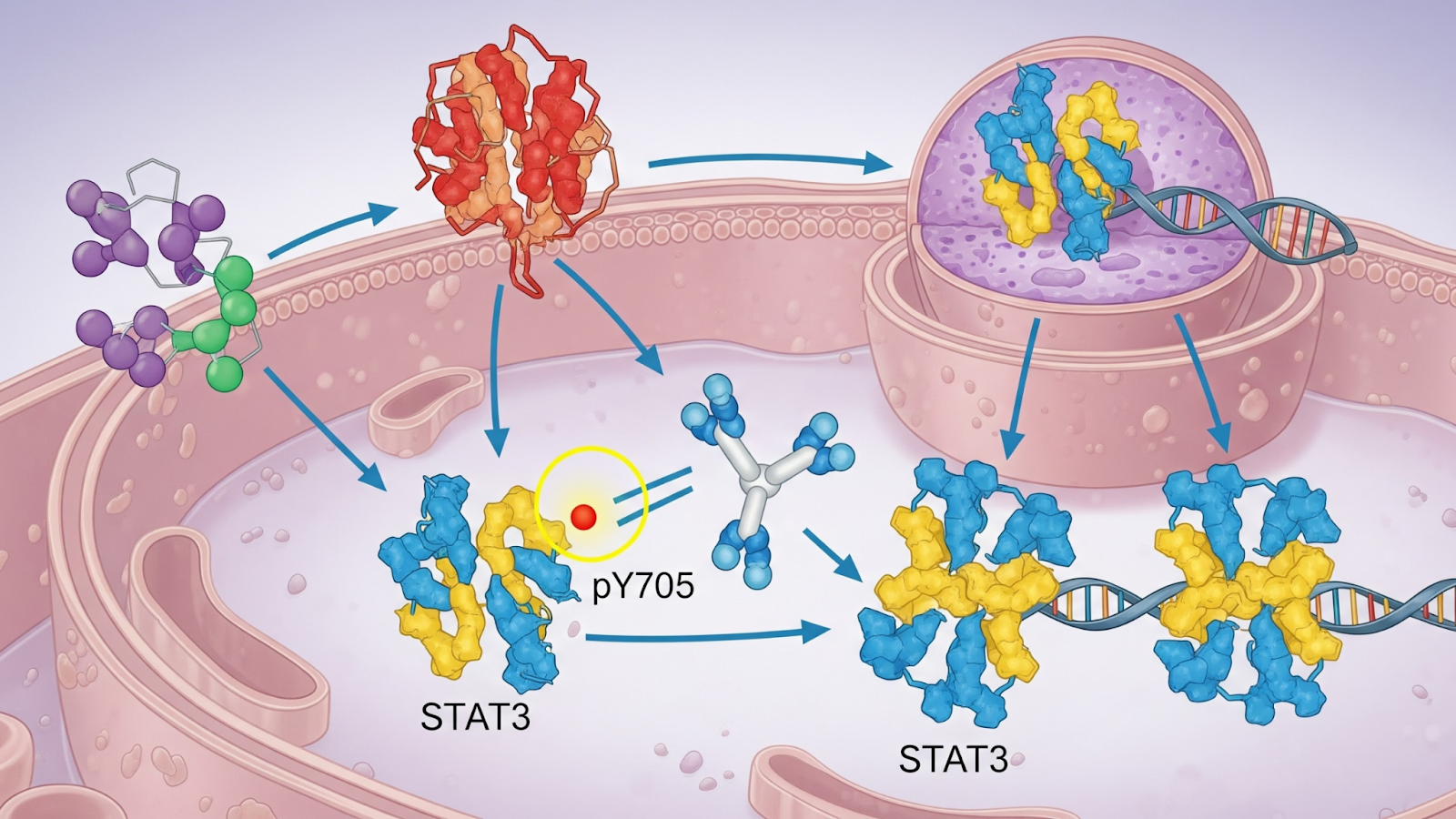
Component X refers to a key biomolecule or protein involved in biological signaling, metabolism, or disease mechanisms. It may be used here as a model for any complex biological target—such as a signaling enzyme, receptor protein, or metabolic biomarker.
Because Component X often exists in small concentrations or within complex biological mixtures, accurate detection requires antibodies with high affinity and specificity. This is where purified polyclonal antibody plays a vital role.
High Sensitivity for Low-Abundance Targets
One of the greatest strengths of purified polyclonal antibodies is their ability to detect low levels of Component X in complex biological samples. Since polyclonal antibodies recognize multiple epitopes, they can bind to different regions of Component X simultaneously. This multi-epitope binding amplifies the signal, leading to enhanced sensitivity in assays such as Western blotting, ELISA, or immunohistochemistry (IHC).
For researchers studying trace amounts of Component X in tissues or serum, this sensitivity ensures that even minute quantities can be detected accurately, reducing the chances of false negatives.
Greater Robustness Against Structural Variations
Proteins like Component X can exist in multiple forms—denatured, phosphorylated, or partially degraded. Monoclonal antibodies, which target a single epitope, may fail to recognize altered forms of the protein. In contrast, purified polyclonal antibodies target multiple epitopes across the molecule, making them more robust to structural changes.
This means that even if Component X undergoes conformational changes due to sample preparation, storage, or physiological conditions, the antibody can still bind effectively. As a result, the analysis remains consistent and reliable across various experimental conditions.
Enhanced Specificity Through Purification
Crude serum contains many non-specific proteins that may interfere with binding and cause background noise in assays. The purification process removes these unwanted components, leaving behind antibodies that are highly specific to Component X.
This purification not only improves assay clarity but also ensures reproducibility between experiments. Whether used in diagnostic kits or academic research, purified polyclonal antibodies deliver clean, consistent signals, allowing scientists to draw meaningful conclusions with confidence.
Cost-Effectiveness and Accessibility
While developing monoclonal antibodies can be expensive and time-consuming, producing polyclonal antibodies is generally faster and more cost-effective. Moreover, the purification process adds value by increasing their usability across multiple applications.
For laboratories conducting Component X analysis routinely, purified polyclonal antibodies provide a budget-friendly solution without compromising performance. Their broader binding profile means that a single antibody preparation can be used for different assay types—such as ELISA, Western blot, and immunoprecipitation—saving both time and resources.
Reliable Performance Across Multiple Applications
Purified polyclonal antibodies are highly versatile. In Western blotting, they provide strong signal intensity and low background noise, making it easier to visualize Component X bands. In ELISA, their multi-epitope recognition results in higher absorbance signals and better detection limits. For immunohistochemistry (IHC) and flow cytometry, their ability to bind to multiple epitopes ensures strong staining and reliable detection even in complex tissue samples.
This cross-platform compatibility ensures that researchers can use the same purified antibody for various experimental designs, maintaining consistency in their data while saving effort in antibody validation.
Improved Reproducibility in Research and Diagnostics
Reproducibility is a cornerstone of credible scientific research. Purified polyclonal antibodies, due to their high specificity and low background interference, help maintain consistency across batches and assays.
Their performance in detecting Component X remains steady across different experimental runs, animal sources, or purification lots. This reliability is particularly valuable in diagnostic applications where consistent results are essential for patient safety and clinical decision-making.
Flexibility in Detecting Complex or Modified Proteins
Component X may interact with other biomolecules or exist in multiple modified states such as phosphorylation, glycosylation, or cleavage. Purified polyclonal antibodies, due to their broad epitope recognition, can detect these various isoforms or post-translational modifications, offering a comprehensive picture of the protein’s biological role.
This flexibility makes them invaluable tools for pathway analysis, biomarker validation, and disease mechanism studies, where multiple forms of Component X may coexist and contribute to disease progression.
Conclusion
The use of purified polyclonal antibodies provides a powerful, flexible, and reliable approach to analyzing Component X in both research and diagnostic contexts. Their high sensitivity, broad epitope recognition, and enhanced specificity through purification make them ideal for detecting complex or low-abundance targets.
By offering consistent results across multiple assay formats, purified polyclonal antibodies ensure that researchers and clinicians can depend on them for accurate and reproducible analysis. Whether for basic research, biomarker discovery, or diagnostic testing, these antibodies remain an indispensable tool for studying critical components like Component X—paving the way for better understanding and improved outcomes in biomedical science.
If you want to buy high-quality purified pAbs, you can rely on AAA Biotech. For more information, visit the site.






Write a comment ...