
The study of cellular interactions and vascular biology has greatly benefited from the development of specific antibodies targeting cell surface proteins. Among these, the anti-CD31 antibody has emerged as a critical tool for researchers and clinical laboratory operators working with endothelial cells, immune cells, and vascular tissues. As a monoclonal antibody, anti-CD31 allows precise identification, quantification, and functional analysis of cells expressing CD31, also known as platelet endothelial cell adhesion molecule-1 (PECAM-1).
This blog explores its role in research, highlighting its applications, mechanisms, and importance in experimental and preclinical studies.
Understanding CD31 and Its Significance
CD31 is a transmembrane glycoprotein expressed on endothelial cells lining blood vessels, as well as on platelets, monocytes, neutrophils, and select lymphocyte populations. It plays a crucial role in cell-cell adhesion, leukocyte migration, and angiogenesis. In vascular research, CD31 is widely used as a marker to identify endothelial cells, enabling scientists to study blood vessel formation, inflammation, and tissue remodeling.
Because of its stable expression and functional significance, CD31 is an ideal target for monoclonal antibodies. Anti-CD31 enables researchers to obtain consistent, reproducible results when identifying or isolating endothelial and immune cell populations in both experimental and preclinical studies. Moreover, understanding CD31 expression patterns can provide valuable insights into vascular disorders, tumor angiogenesis, and immune system responses.
How Anti-CD31 Monoclonal Antibodies Work
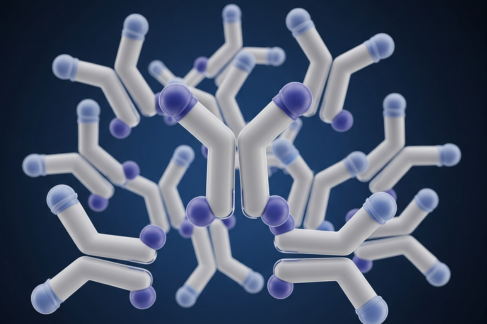
Monoclonal antibodies against CD31 are generated using hybridoma technology, ensuring that each antibody recognizes a single epitope with high specificity. This reduces cross-reactivity with other cell surface proteins, making anti-CD31 suitable for flow cytometry, immunohistochemistry, immunofluorescence, and ELISA-based assays.
In flow cytometry, anti-CD31 antibodies can be conjugated to fluorophores to label and quantify CD31-expressing cells in mixed populations.
In tissue sections, immunohistochemical staining enables visualization of blood vessel architecture and vascular density.
In ELISA assays, these antibodies can detect soluble CD31 fragments released under pathological conditions, offering insight into endothelial activation or vascular damage.
These applications allow researchers to monitor vascular integrity, endothelial activation, and inflammatory responses, providing critical information for both normal physiology and disease states.
Applications in Research and Clinical Laboratories
The use of anti-CD31 antibodies spans multiple fields, reflecting the diverse functions of CD31:
Vascular and angiogenesis studies: Researchers can quantify vascular density in tumors, evaluate angiogenic responses in ischemic tissues, and study endothelial proliferation and migration. Anti-CD31 antibodies help track changes in the vascular network, offering insight into tissue repair or tumor progression.
Immune cell trafficking: CD31 is expressed on leukocytes, and anti-CD31 antibodies facilitate the study of leukocyte movement across endothelial barriers. This is particularly valuable in research on inflammation, autoimmune diseases, or immune response regulation.
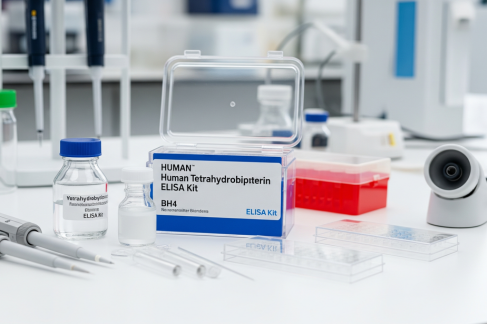
Preclinical and therapeutic research: In experimental models, anti-CD31 helps assess drug effects on vascular function and endothelial stability. These studies can be combined with enzyme-linked assays, such as the TAP ELISA Kit, to monitor tissue-specific enzymatic activity and better understand the relationship between vascular changes and cellular stress.
Cancer research: Labeling endothelial cells with anti-CD31 antibodies enables characterization of tumor vasculature and microvessel density, aiding studies of angiogenesis inhibitors and tumor progression. This is especially important in preclinical studies evaluating new anti-angiogenic therapies.
Translational research: Insights from anti-CD31 studies inform strategies for tissue engineering, transplantation, and vascular-targeted therapies, providing a bridge between laboratory research and clinical applications.
Advantages of Anti-CD31 Monoclonal Antibodies
Anti-CD31 monoclonal antibodies offer several advantages that make them indispensable in research:
High specificity: Targets a single CD31 epitope, reducing background noise and non-specific binding
Reproducibility: Monoclonal production ensures consistent results across experiments.
Versatility: Compatible with multiple applications, including flow cytometry, ELISA, and immunohistochemistry.
Quantitative and qualitative insights: Enables both measurement and visualization of CD31-positive cells.
Integration with complementary assays: Can be used alongside other experimental tools, such as the TAP ELISA Kit, for multidimensional studies of tissue function, vascular health, and endothelial activation.
Final Thoughts
The anti-CD31 antibody is a cornerstone of monoclonal antibody research, providing a reliable tool for studying vascular biology, endothelial function, and immune cell dynamics. Used alongside complementary assays such as the TAP ELISA Kit, it provides precise insights into tissue function, vascular health, and disease mechanisms, making it indispensable for experimental and translational research.






Write a comment ...