
In molecular and cellular biology, understanding signaling pathways is essential to decipher how cells respond to various stimuli. Among the many signaling proteins, STAT3 (Signal Transducer and Activator of Transcription 3) plays a pivotal role in transmitting signals from cell surface receptors to the nucleus, influencing gene expression, cell growth, differentiation, and survival. The development of high-specificity antibodies, such as the rabbit STAT3 (pY705) antibody, has enabled researchers to study STAT3 activation and its role in both normal and pathological conditions, particularly cancer.
Understanding STAT3 and Its Phosphorylation
STAT3 is a transcription factor activated by phosphorylation at specific tyrosine residues. The phosphorylation event at tyrosine 705 (Y705) is critical, as it triggers dimerization of STAT3, followed by nuclear translocation and DNA binding. Dysregulation of STAT3 phosphorylation has been linked to a range of disorders, including autoimmune diseases, inflammatory conditions, and malignancies.
Studying this pathway requires highly specific detection tools. Standard antibodies may recognize total STAT3 but fail to distinguish between active (phosphorylated) and inactive forms. This is where a Stat3 antibody that specifically targets the phosphorylated tyrosine residue becomes indispensable for researchers. By selectively binding to the phosphorylated form, scientists can monitor the precise activation status of STAT3 in response to stimuli such as cytokines, growth factors, or stress signals.
Features of Rabbit STAT3 (pY705) Antibody
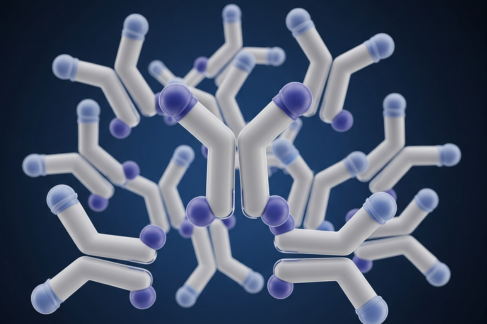
The rabbit STAT3 (pY705) antibody is designed for high specificity and sensitivity against the phosphorylated STAT3 protein at Tyr705. Being a rabbit-derived polyclonal antibody, it benefits from high affinity and robust recognition of the target epitope. This antibody is validated for use in multiple experimental techniques, including:
Western Blotting (WB)
Enables detection of phosphorylated STAT3 in cell lysates.
Immunohistochemistry (IHC)
Used to visualize STAT3 activation in tissue samples, providing spatial context to its cellular activity.
ELISA (Enzyme-Linked Immunosorbent Assay)
Facilitates quantitative measurement of phosphorylated STAT3 levels.
Flow Cytometry
Allows for single-cell analysis of STAT3 activation in heterogeneous populations.
This versatility ensures that researchers can use the same antibody across various experimental models, enhancing reproducibility and comparability of results.
Applications in Research
The rabbit STAT3 (pY705) antibody has a wide array of applications, primarily in the study of signaling pathways and disease mechanisms:
Cancer Research
Constitutive activation of STAT3 is observed in numerous cancers, including breast, lung, and colorectal cancers. Using a Stat3 antibody that detects phosphorylated STAT3 helps determine the extent of activation, enabling researchers to evaluate the efficacy of therapeutic inhibitors targeting the STAT3 pathway.
Inflammatory and Autoimmune Diseases
Phosphorylation of STAT3 is a critical step in cytokine signaling. Researchers studying autoimmune conditions such as rheumatoid arthritis or systemic lupus erythematosus can track STAT3 activity in immune cells to understand disease progression.
Cell Signaling Studies
Beyond disease, the antibody is instrumental in basic research, where STAT3 serves as a model transcription factor for studying phosphorylation-dependent activation and nuclear translocation.
Drug Discovery
Pharmaceutical studies often utilize this antibody to screen compounds that modulate STAT3 activation, aiding the development of targeted therapies.
Species Cross-Reactivity and Validation
An advantage of the rabbit STAT3 (pY705) antibody is its cross-reactivity with multiple species, including human, mouse, rat, bovine, canine, and chicken. This makes it suitable for studies across different model systems, from human cell lines to animal models.
Validation of the antibody typically involves testing with cells known to express phosphorylated STAT3, such as EGF-stimulated A431 cells or cytokine-stimulated immune cells. This ensures specificity and reduces the risk of off-target detection, which is crucial for accurate data interpretation.
Best Practices for Using Rabbit STAT3 (pY705) Antibody
To achieve reliable results, it is recommended to:
Use appropriate positive and negative controls in each assay.
Follow the recommended dilution factors and incubation times specified by the manufacturer.
Store the antibody at recommended temperatures (–20 to –70 °C for long-term storage; 2–8 °C for short-term use).
Avoid repeated freeze-thaw cycles, which can degrade the antibody and reduce binding efficiency.
By adhering to these guidelines, researchers can maximize the antibody’s performance, ensuring reproducible and high-quality experimental results.
Conclusion
The rabbit STAT3 (pY705) antibody is a highly specific and versatile tool for studying phosphorylation-dependent activation of STAT3. It provides researchers with the means to explore STAT3 signaling in cancer, immune responses, and other cellular processes. By enabling precise detection of phosphorylated STAT3, this antibody contributes significantly to our understanding of cellular signaling and disease mechanisms.
Whether for basic research, drug discovery, or translational studies, this antibody remains a valuable component in the toolkit of molecular biologists. Its specificity, cross-species reactivity, and validated performance across multiple assays make it a reliable choice for anyone investigating STAT3 function.







Write a comment ...