
Advances in molecular biology and immunology have significantly expanded the use of recombinant proteins in in vitro research. These proteins allow scientists to study receptor–ligand interactions, signaling pathways, and disease mechanisms under controlled laboratory conditions. One such molecule of growing interest is IL13RA2, a receptor associated with cytokine signaling and disease progression.
The availability of IL13RA2 recombinant protein has enabled detailed in vitro investigations that deepen our understanding of immune regulation, cancer biology, and therapeutic targeting.
Understanding IL13RA2 and Its Biological Role
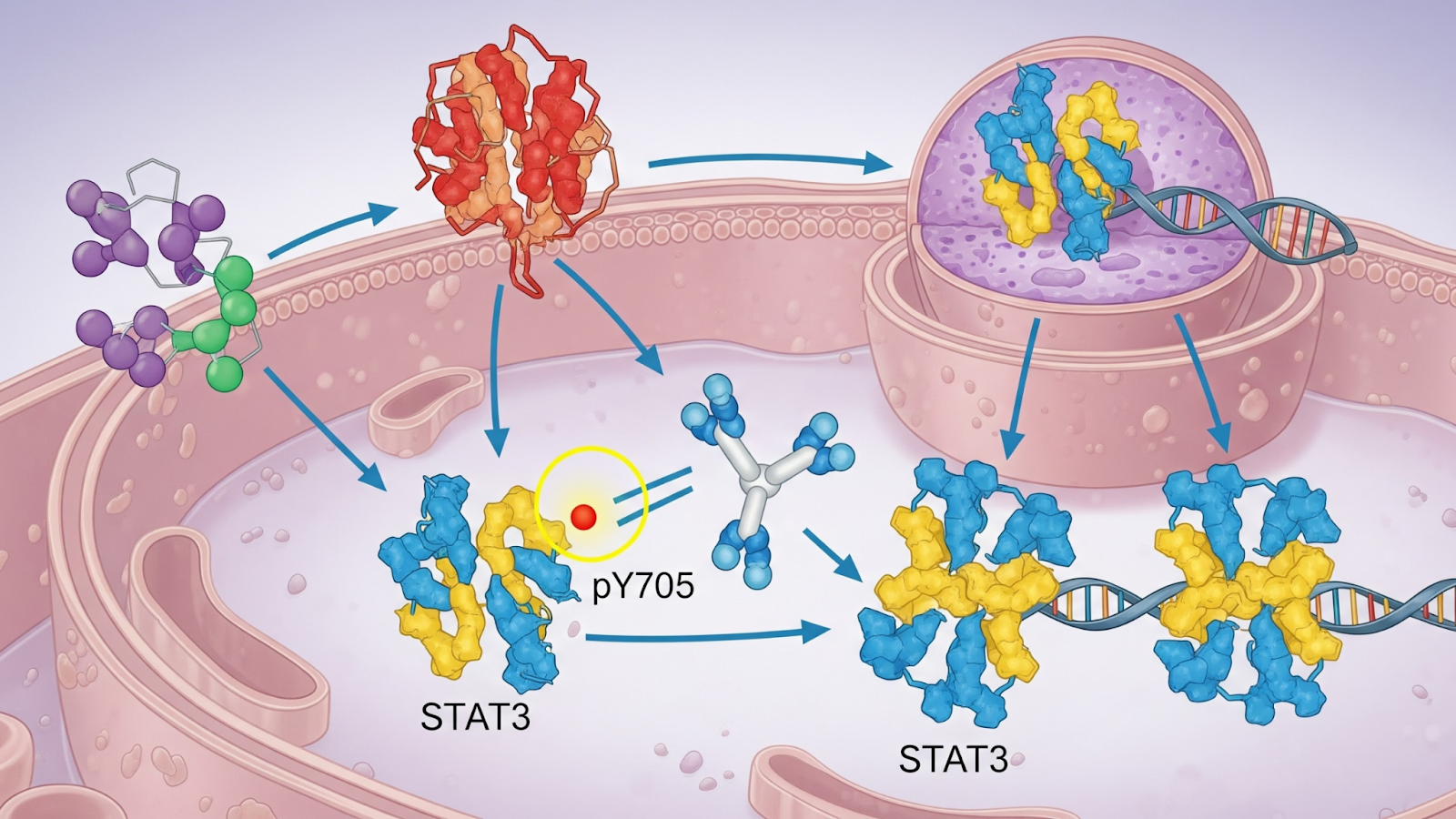
Interleukin-13 receptor alpha 2 (IL13RA2) is a high-affinity receptor for the cytokine IL-13. Unlike the signaling receptor IL13RA1, IL13RA2 is often described as a decoy receptor because it binds IL-13 without initiating classic downstream STAT6 signaling. This unique feature allows IL13RA2 to regulate cytokine availability and modulate immune responses.
IL13RA2 is minimally expressed in most healthy tissues but is upregulated in several pathological conditions, particularly in certain cancers and inflammatory diseases. Its selective expression pattern makes it an important subject of in vitro research aimed at understanding disease-specific signaling mechanisms.
Role of Recombinant Proteins in In Vitro Research
Recombinant proteins are engineered molecules produced in host systems such as bacteria, yeast, or mammalian cells. In vitro studies rely on these proteins to replicate biological interactions outside living organisms. Recombinant proteins offer consistency, purity, and experimental control, allowing researchers to isolate specific variables and generate reproducible data.
In the case of cytokine receptors, recombinant forms are essential for studying binding kinetics, receptor specificity, and downstream functional effects. The use of IL13RA2 recombinant protein has therefore become central to many experimental models investigating IL-13–mediated processes.
Ligand–Receptor Binding Studies
One of the primary applications of IL13RA2 recombinant protein in vitro is the analysis of ligand–receptor interactions. Binding assays such as ELISA-based binding studies, surface plasmon resonance (SPR), and biolayer interferometry (BLI) use recombinant receptors to quantify the affinity and kinetics of IL-13 binding.
These studies help determine how strongly IL13RA2 binds IL-13 compared to other receptors and how mutations or modifications influence binding behavior. Such data are crucial for understanding how IL13RA2 regulates cytokine signaling and competes with signaling receptors in different cellular contexts.
Functional Assays and Signaling Analysis
Although IL13RA2 does not activate classical IL-13 signaling pathways, in vitro functional assays have revealed its involvement in alternative signaling mechanisms. Recombinant IL13RA2 is used to study its role in transforming growth factor-beta (TGF-β) activation, cell migration, and invasion, particularly in cancer-related research.
Cell-based assays often involve coating plates with recombinant protein or adding it to culture systems to evaluate cellular responses such as proliferation, apoptosis, or cytokine secretion. These experiments help clarify how IL13RA2 contributes to disease-associated cellular behavior beyond its role as a decoy receptor.
Cancer Research and Tumor Biology
IL13RA2 is overexpressed in several tumor types, including glioblastoma, pancreatic cancer, and colorectal cancer. In vitro studies using recombinant protein have been instrumental in elucidating how IL13RA2 supports tumor progression.
Researchers use recombinant IL13RA2 to investigate tumor cell adhesion, migration, and interaction with immune cells. These experiments provide insight into how tumor-associated IL13RA2 alters the tumor microenvironment and contributes to immune evasion. Such findings are essential for identifying novel therapeutic strategies targeting IL13RA2-expressing tumors.
Drug Discovery and Target Validation
In vitro drug discovery efforts increasingly focus on cytokine receptors involved in disease progression. Recombinant IL13RA2 is used in high-throughput screening assays to identify molecules that block IL-13 binding or disrupt receptor-associated pathways.
These studies allow researchers to validate IL13RA2 as a therapeutic target before advancing to in vivo models. By using purified recombinant protein, scientists can assess compound efficacy and specificity early in the development process, reducing costs and improving experimental efficiency.
Conclusion
In vitro studies play a critical role in advancing our understanding of immune regulation and disease biology, and recombinant proteins are central to these efforts. The use of IL13RA2 recombinant protein has enabled detailed investigations into ligand binding, functional signaling, cancer progression, antibody development, and drug discovery.
By providing a reliable and versatile research tool, recombinant IL13RA2 continues to support high-quality in vitro studies that bridge basic research and therapeutic innovation. As scientific interest in cytokine receptors grows, its applications in controlled laboratory systems are expected to expand even further.






Write a comment ...