
Developmental biology is the study of how organisms grow and develop from a single cell into a complex, multicellular organism. Researchers in this field aim to understand the intricate molecular processes that drive development.
One crucial player in many of these processes is the SOX2 protein, which is vital for maintaining stem cell pluripotency and regulating key stages in development. To better understand SOX2’s role in developmental biology, researchers rely heavily on tools like the Rabbit SOX2 Polyclonal Antibody.
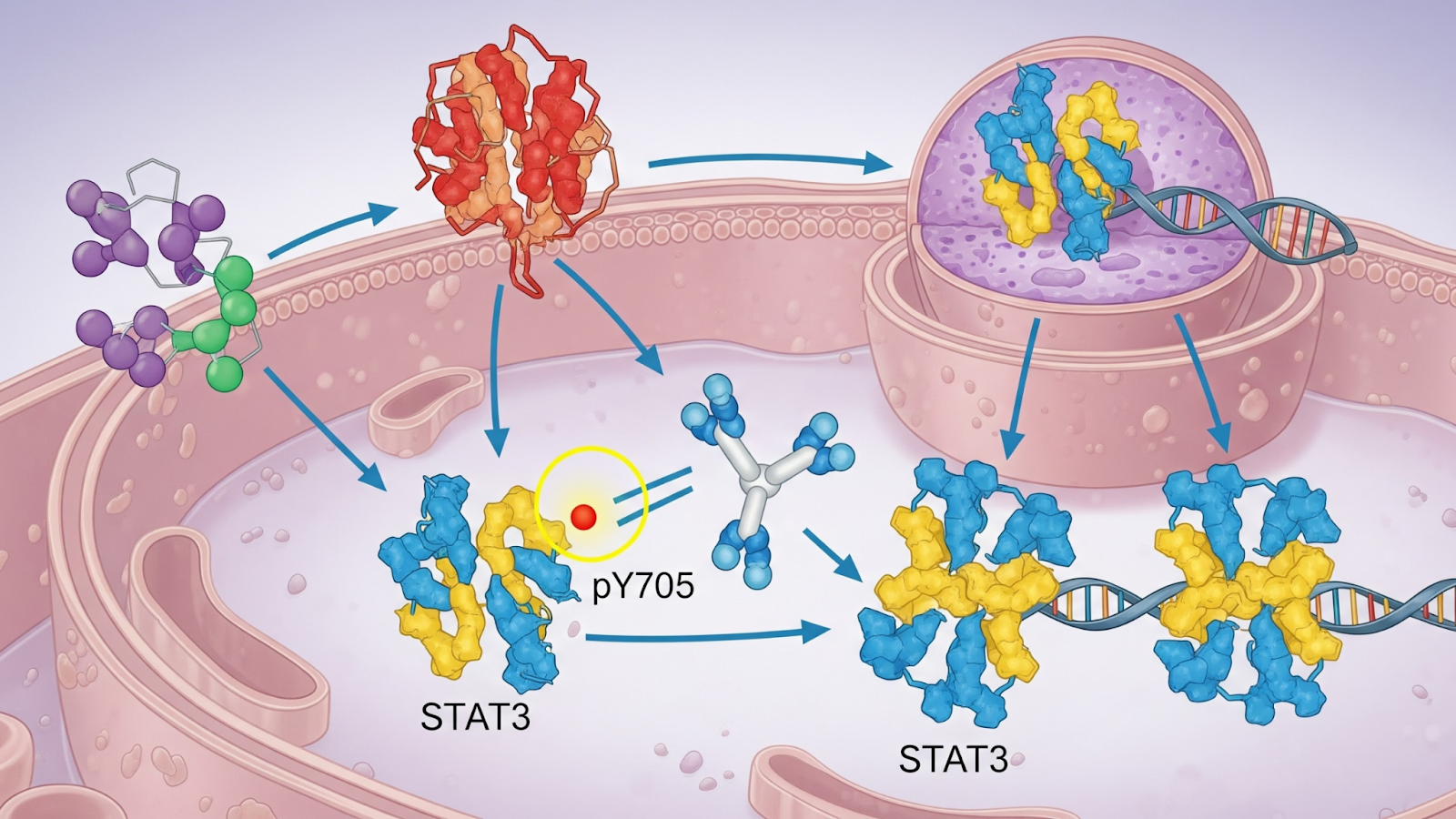
This post explores how the antibody aids developmental biology research, providing insights into stem cell biology, disease mechanisms, and therapeutic applications.
What Is SOX2?
SOX2 (SRY-Box Transcription Factor 2) is a transcription factor that regulates gene expression. It is essential for maintaining stem cell pluripotency, allowing them to differentiate into various cell types. Found in stem cells of the brain, eyes, and early embryos, SOX2 plays a crucial role in embryonic development, neural differentiation, and tissue regeneration.
Understanding SOX2 is key for developmental biologists as it guides cell fate decisions, which are vital for normal development and understanding diseases like cancer, where cells lose proper differentiation.
The Role Of Antibodies In Research
To study proteins like SOX2, scientists use antibodies that bind specifically to the target protein, enabling visualization, quantification, and analysis of its behavior.
The Rabbit SOX2 Polyclonal Antibody is particularly valuable in developmental biology. Here’s why:
Specific Binding: The antibody targets SOX2 with high specificity, making it a powerful tool for identifying this protein in complex biological samples.
Wide Application: This antibody works in various experimental techniques, including immunohistochemistry (IHC), Western blotting, and ELISA. These techniques allow researchers to study SOX2 in tissue sections, analyze its expression in protein extracts, and measure its presence in biological fluids.
Reliable Detection: With this antibody, researchers can confidently measure the amount of SOX2 in different samples, providing reliable data on how its expression changes during development.
Key Techniques For Studying SOX2 With Antibodies
In the study of developmental biology, different experimental techniques provide unique insights into SOX2’s role. The Rabbit SOX2 Polyclonal Antibody is widely used in the following techniques:
Immunohistochemistry (IHC)
IHC is a technique that allows scientists to visualize the location of a specific protein within a tissue sample. When researchers use the Rabbit SOX2 Polyclonal Antibody in IHC, they can:
See exactly where SOX2 is expressed in tissues, such as in the developing brain or stem cells.
Study how SOX2 expression varies in different stages of development or under different experimental conditions.
Investigate how SOX2 interacts with other developmental proteins.
Western Blotting (WB)
Western blotting is a powerful method to detect and analyze proteins in complex mixtures. It can show whether SOX2 is present in a given sample and how much is there. Using the Rabbit SOX2 Polyclonal Antibody in Western blotting allows researchers to:
Confirm the molecular weight of SOX2 and assess its potential post-translational modifications.
Study the relative levels of SOX2 across different developmental stages, providing insights into its regulatory functions.
Compare SOX2 expression in normal and diseased states, such as cancer, where SOX2 may be abnormally expressed.
Enzyme-Linked Immunosorbent Assay (ELISA)
ELISA is a sensitive technique for quantifying the concentration of specific proteins. With the Rabbit SOX2 Polyclonal Antibody, researchers can:
Accurately measure SOX2 levels in biological fluids like blood or cerebrospinal fluid.
Monitor changes in SOX2 expression during experiments, which is crucial for understanding how it influences cellular behavior.
Use the antibody to perform high-throughput screening, allowing the study of large sample sets quickly.
Enhancing Developmental Biology With SOX2 Antibodies
SOX2 plays a central role in developmental processes, and studying this protein is key to advancing our understanding of development. The Rabbit SOX2 Polyclonal Antibody offers several benefits:
Stem Cell Research
SOX2 is crucial for maintaining stem cell pluripotency. The Rabbit SOX2 Polyclonal Antibody helps researchers understand how stem cells decide their fate, enabling the development of stem cell therapies and tissue regeneration strategies.
Disease Mechanisms
Abnormal SOX2 expression is linked to diseases like cancer and neurodegenerative conditions. The Rabbit SOX2 Polyclonal Antibody detects overexpression in tumors and aids in studying SOX2’s role in cancer and neural differentiation.
Developmental Pathways
SOX2 interacts with various proteins in developmental signaling pathways. The Rabbit SOX2 Polyclonal Antibody helps map its role in these networks and how its expression is regulated during development.
Final Thought
Studying the SOX2 protein is essential in developmental biology to understand stem cell mechanisms, tissue development, and disease. The Rabbit SOX2 Polyclonal Antibody is a vital tool for detecting and analyzing SOX2 in biological samples. Through techniques like IHC, Western blotting, and ELISA, researchers can gain insights into SOX2's role in development and its dysregulation in diseases.
As developmental biology progresses, the Rabbit SOX2 Polyclonal Antibody will continue to be key in exploring cellular differentiation and development.






Write a comment ...